Did Anakin Kill Padmé? Unpacking the Real Cause of Death
The tragic demise of Padmé Amidala remains one of the most debated and emotionally charged events in the entire Star Wars saga. For decades, fans have grappled with the perplexing explanation offered in *Star Wars: Episode III – Revenge of the Sith*, questioning the seemingly sudden nature of her passing. While the cinematic narrative attributes her death to a "broken heart," many believe there were deeper, more complex forces at play. So, if you're asking yourself
how does Padmé Amidala die, prepare for an exploration that goes beyond the surface, delving into official explanations, fan theories, and the overarching will of the Force.
The Official Narrative: A "Broken Heart" and Narrative Necessity
The events leading up to Padmé's death are agonizingly clear. After learning of Anakin Skywalker's horrific transformation into Darth Vader and his massacre of the Jedi younglings, Padmé confronts him on Mustafar. In a fit of rage and paranoia, fueled by Emperor Palpatine's insidious influence, Anakin Force-chokes her into unconsciousness. Though Obi-Wan Kenobi rescues her, the damage to her spirit is irreversible.
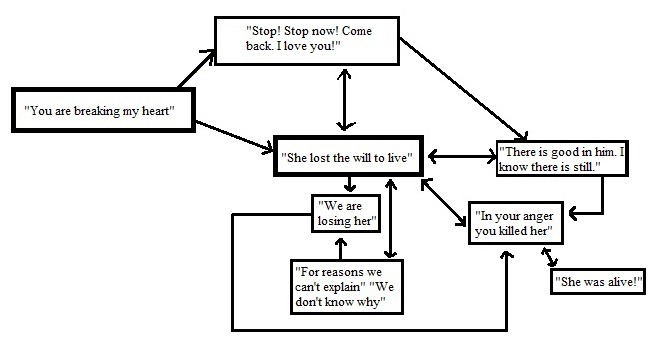
She is rushed to a medical facility on Polis Massa, where she gives birth to twins, Luke and Leia. What happens next is where the official explanation becomes contentious for many viewers. The medical droids, sophisticated as they are, declare her physically stable. "Medically, she is completely healthy," one droid states, adding, "For reasons we can't explain, we are losing her." Padmé's final words, "There's still good in him... I know there is," underscore the official diagnosis: she has simply "lost the will to live."
For many, this explanation feels unsatisfying, often perceived as a convenient plot device. Padmé needed to be "cleared off the board" for the original trilogy to unfold, allowing Luke and Leia to be hidden and raised separately. While emotionally resonant, attributing her death solely to despair struck many as an overly simplistic end for such a strong and resilient character. It raised questions about the robustness of her spirit and the implications for storytelling when a character's demise is driven by narrative requirements rather than explicit physical causes.
Did Anakin Skywalker Directly Kill Padmé? Unpacking the Confrontation
It's tempting to blame Anakin directly for Padmé's death, especially after his violent Force choke on Mustafar. This act of domestic abuse undeniably wounded her deeply, both physically and emotionally. The rage he unleashed, the betrayal she experienced, and the loss of the man she loved certainly contributed to her profound sorrow. However, the medical droids explicitly state that she was *physically* fine after the incident and childbirth. The Force choke rendered her unconscious and was a brutal assault, but it wasn't the immediate, direct cause of her physical death.
Interestingly, Palpatine actively manipulates Anakin into believing he was the one who killed Padmé. This lie serves to further isolate Anakin, deepen his guilt, and solidify his commitment to the dark side as Darth Vader. By shifting the blame, Palpatine ensures Anakin has nowhere else to turn, extinguishing any remaining flicker of light within him. This demonstrates that while Anakin's actions were the *catalyst* for her despair, the narrative carefully avoids making his physical attack the ultimate *cause of death*. Instead, it highlights the devastating psychological impact of his fall on her. It was the murder of her love, her hope, and her future, rather than a specific physical trauma, that ultimately led to her decline.
Beyond the Official: Fan Theories and the Will of the Force
Given the dissatisfaction with the official "broken heart" explanation, Star Wars fans have spent years dissecting the moments leading to Padmé's death, proposing compelling alternative theories that add layers of meaning to her demise. One of the most prominent fan theories posits that the Force itself played an active, even ruthless, role in her passing.
This theory suggests that Padmé and Anakin were deeply connected through the Force, a bond that transcended mere emotional attachment. When Anakin fully embraced the dark side and became Darth Vader, this profound connection was severed or corrupted, drawing the life force out of Padmé. Some argue that the Force, being neither good nor evil but simply an entity seeking balance, orchestrated Padmé's death to further Anakin's destiny as Vader, believing it was necessary for the eventual rise of Luke and the ultimate defeat of the Emperor. In this view, Padmé's life force was either siphoned by Anakin's dark transformation or simply extinguished by the immense disturbance in the Force caused by his fall. This theory aligns with the idea that the Force can have its own will and purpose, often at a great cost to individuals. For more on this fascinating discussion, check out
Padmé Amidala's Death: Was It a Broken Heart or the Force?.
Another perspective within fan circles is that the sheer overwhelming power of Anakin's pain, rage, and the suffering of the Jedi Order (which she felt through her connection to him and the Force) essentially drained her will to continue. Her body simply gave up under the immense psychological and perhaps even spiritual strain. This goes beyond a simple "broken heart" and leans into a more mystical interpretation of Force sensitivity and the profound impact of galactic events on those connected to the Force. It's a testament to the depth of Star Wars lore that fans continue to unearth and explore these intricate possibilities, making sense of a seemingly inexplicable plot point. Discover more fan insights into this topic by reading
Star Wars Fans Unmask Padmé's Death: The Force & Plot's Role.
The Tragic Legacy of Padmé Amidala's Death
Regardless of the precise mechanism, Padmé Amidala's death is undeniably one of the most pivotal and tragic moments in the entire Skywalker Saga. Her passing serves multiple crucial narrative functions:
*
Solidifying Vader's Fall: Her death, and Anakin's belief that he caused it, pushes him deeper into the dark side, eradicating any remaining hope or attachment he had to his former life. It becomes a permanent scar on his soul.
*
Enabling Luke and Leia's Destiny: By dying after childbirth, Padmé ensures the twins are separated and hidden, allowing them to grow up away from Palpatine's influence and ultimately challenge the Empire. Without her death, the original trilogy as we know it could not have happened.
*
A Symbol of Betrayal and Loss: Padmé's story becomes a poignant symbol of the innocent lives destroyed and hopes crushed by the rise of the Empire and the machinations of the Sith. She represents the galaxy's loss of peace and democracy.
*
Anakin's Ultimate Price: In a twisted irony, Anakin's desperate attempts to save Padmé from death, which fueled his turn to the dark side, ultimately lead to her demise. His selfish fear of loss brings about the very tragedy he sought to prevent.
Beyond the tragedy, Padmé Amidala was a remarkable character in her own right. From a young queen who fearlessly stood up to the Trade Federation, to a senator who championed democracy and peace, her political prowess and moral compass were unwavering. Her personal strength and dedication to justice are often overshadowed by her romantic entanglement with Anakin and her ultimate fate, but her legacy as a formidable leader and a symbol of hope should not be forgotten.
Conclusion
So,
how does Padmé Amidala die? The official answer points to a profound emotional breakdown, a "broken heart" brought on by the devastating betrayal and transformation of the man she loved. While medically stable, her will to live simply evaporated. However, this explanation leaves many questions unanswered, prompting a rich tapestry of fan theories that delve into the mystical workings of the Force, suggesting a more active role for galactic destiny in her demise.
Ultimately, Padmé's death is a complex blend of psychological trauma, narrative necessity, and potentially, the unseen hand of the Force itself. It's a death that serves as a cornerstone for the entire Star Wars narrative, ensuring the rise of Darth Vader and setting the stage for the rebellion and the eventual redemption of the Skywalker family. While painful to witness, her passing highlights the immense stakes and profound tragedies inherent in the galaxy far, far away, leaving us to forever ponder the true cost of love, loss, and the eternal struggle between light and darkness.